


Saju · Face reading · Names · Feng shui
Saju is
your blueprint.
Your face, your name and the places you live fill in that blueprint.
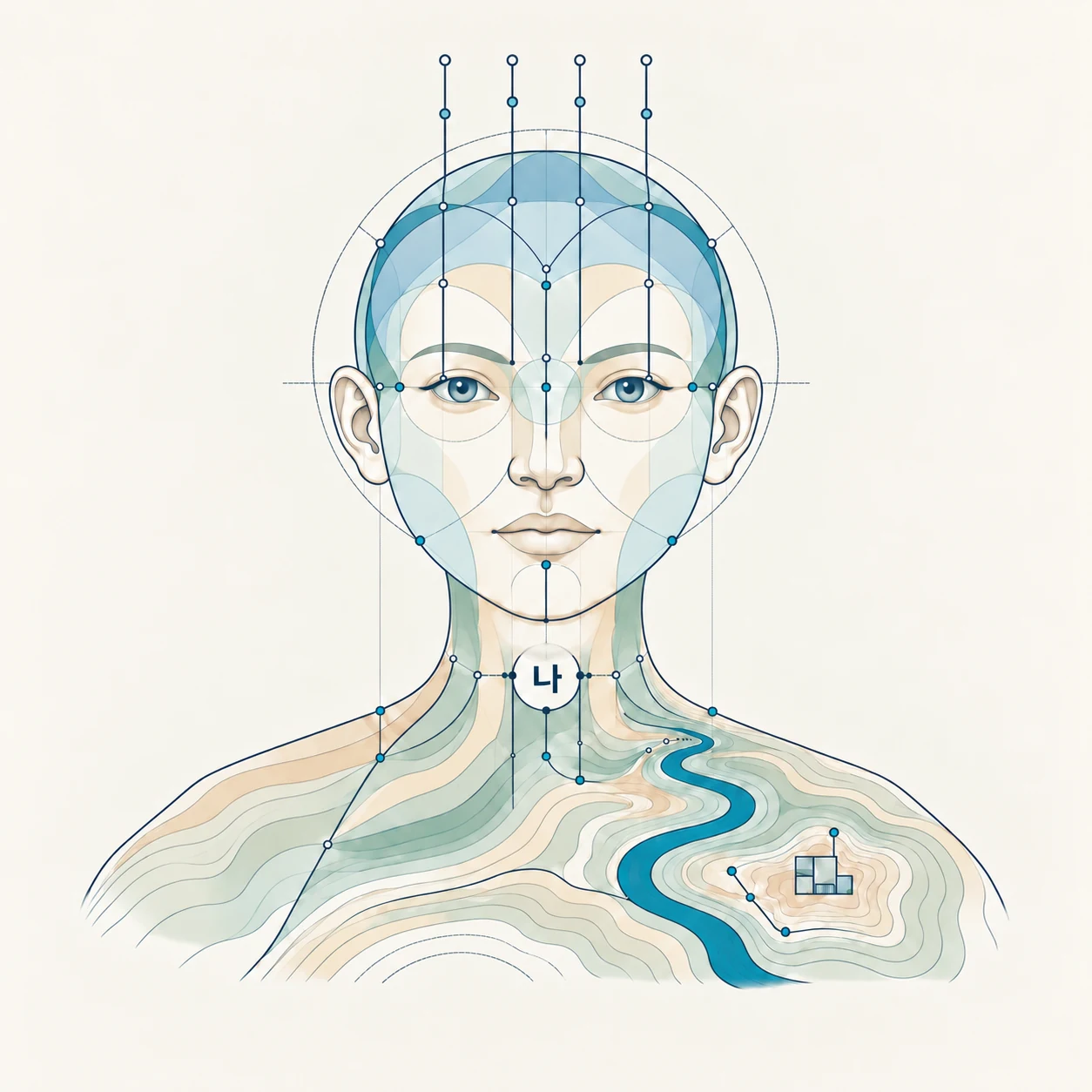
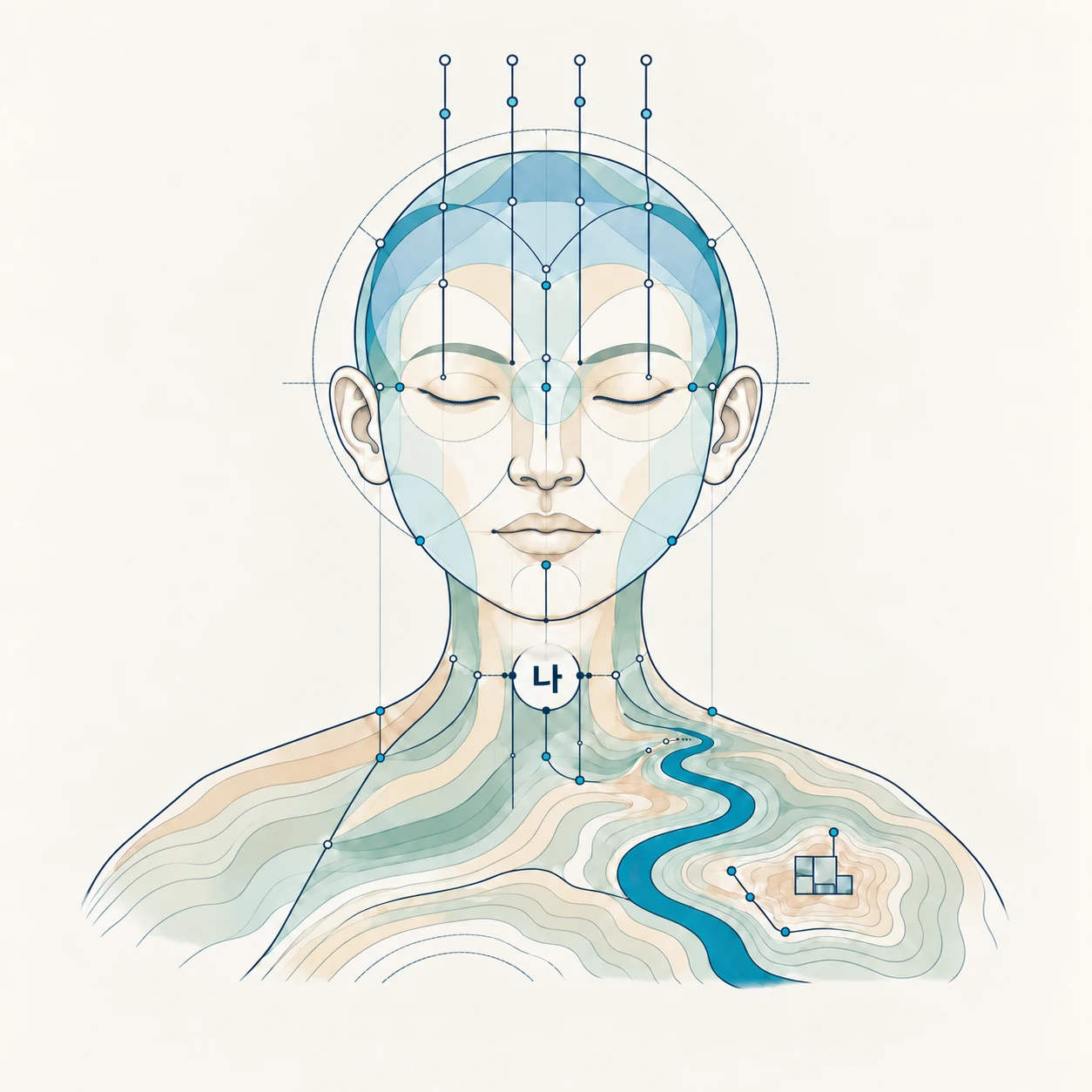
Tap a point in the picture, or scroll down
01 Saju · Your blueprint
Your blueprint takes shape
the moment you are born.
Saju (Korean Four Pillars of Destiny) uses eight characters: two each for your birth year, month, day and hour. These four pillars give a broad picture of your temperament, life's course and relationships.
01 Saju · The Five Elements
Eight characters.
Five Elements.
Wood · Fire · Earth · Metal · Water. In the generating cycle, Wood feeds Fire, Fire produces Earth, Earth yields Metal, Metal generates Water, and Water nurtures Wood.
They nurture
and temper one another.
In the controlling cycle, Wood controls Earth, Earth controls Water, Water controls Fire, Fire controls Metal, and Metal controls Wood.
Each element
has its own nature.
The five elements each contribute a different quality to your temperament.
Abundance and scarcity
shape who you are.
Few people have an even balance of the Five Elements across their eight characters. An abundant element can be a strength, but can also become excessive. A missing element points to what needs filling in.
Saju also speaks
of relationships.
Your birth element gives the other elements their meaning in relationships. An element like yours represents siblings and friends. What you generate represents expression and talent; what you control, wealth; what controls you, work and superiors; and what nurtures you, your mother and mentors.
When two people's
elements meet.
Comparing your element with another person's shows how you relate. A generating relationship offers easy support. A controlling relationship can bring friction, but can also help you both grow stronger.
And time
keeps moving.
Your blueprint stays the same, while the 10-year luck cycle and yearly luck move across it. Saju reads the element of your current period to see when to move forward and when to strengthen your foundations.
Face, name and place—
linked by five elements.
The Five Elements connect Saju with face shapes, the meanings of name characters, and the land and directions of feng shui. Reading these together brings your blueprint into sharper detail.
02 Gwansang · Korean face reading
The blueprint
shows in your face.
Your face carries both the qualities you were born with and the years you have lived. Gwansang (Korean face reading) looks at several key areas.
Face shape
Long and lean Wood, pointed Fire, full Earth, square Metal, round Water. Face shape offers a view of your underlying birth element.
Balance
The forehead, nose and chin form the three facial zones. Their balance is read in relation to early, middle and later life.
Forehead
Read for early life, breadth of thought and support from parents and elders.
Eyebrows
Read for relationships with siblings and friends, and how feelings are expressed.
Eyes
A window into the mind: read for judgment and emotional texture.
Nose
Read for wealth, self-regard and strength in midlife.
Cheekbones
Read for influence, reputation and the ability to lead others.
Philtrum
Read for vitality, persistence and bonds with children.
Mouth
Read for speech, trust and one's livelihood.
Chin
Read for later life, endurance and support from younger people.
Ears
Read for childhood, innate fortune and the way one listens.
Early, middle and later life in the face are read alongside the broader course of your Saju.
03 Name analysis · Seongmyeonghak
Each time it is spoken,
a name grows into its meaning.
A name is spoken many times a day. The more we are called by it, the closer we grow to its meaning. Even “나” (na), Korean for “myself,” is a name we use for ourselves.
Each time
we call it “water.”
Give something nameless the name “water.” Each time you call it that, it becomes a little more like water.
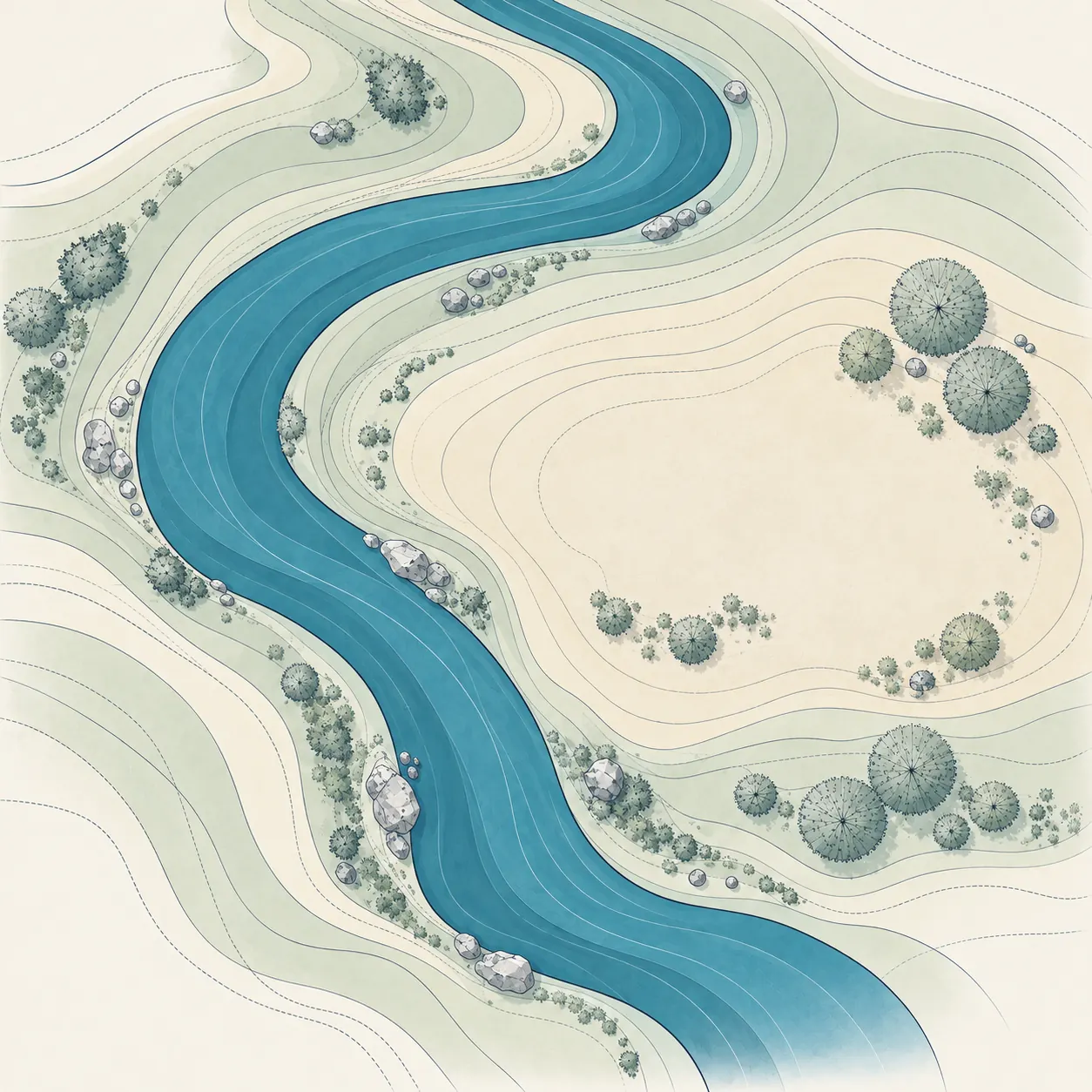
Say “water,” and a flowing stream comes to mind. When blocked, it finds another way.
It gathers in low places, collecting and holding.
As it deepens, you can no longer tell how far down it goes.
A name alone
suggests a nature.
Water, Fire, Wood, Earth and Metal. These five names are the Five Elements of Saju.
Name characters
carry an element.
Characters used in names carry elements through their meanings. In Harim (河林), 河 means “river” and carries Water; 林 means “forest” and carries Wood. Water nurtures Wood, so the two elements support each other.
A name can supply
a missing element.
Name characters, too, carry the Five Elements in their meanings. Name analysis (Seongmyeonghak) uses those meanings to fill gaps in a Saju chart. If Water is absent, 江 or 河 (“river”), or 泉 (“spring”), can represent that missing element.
04 Pungsu · Korean feng shui
The land
nurtures its people.
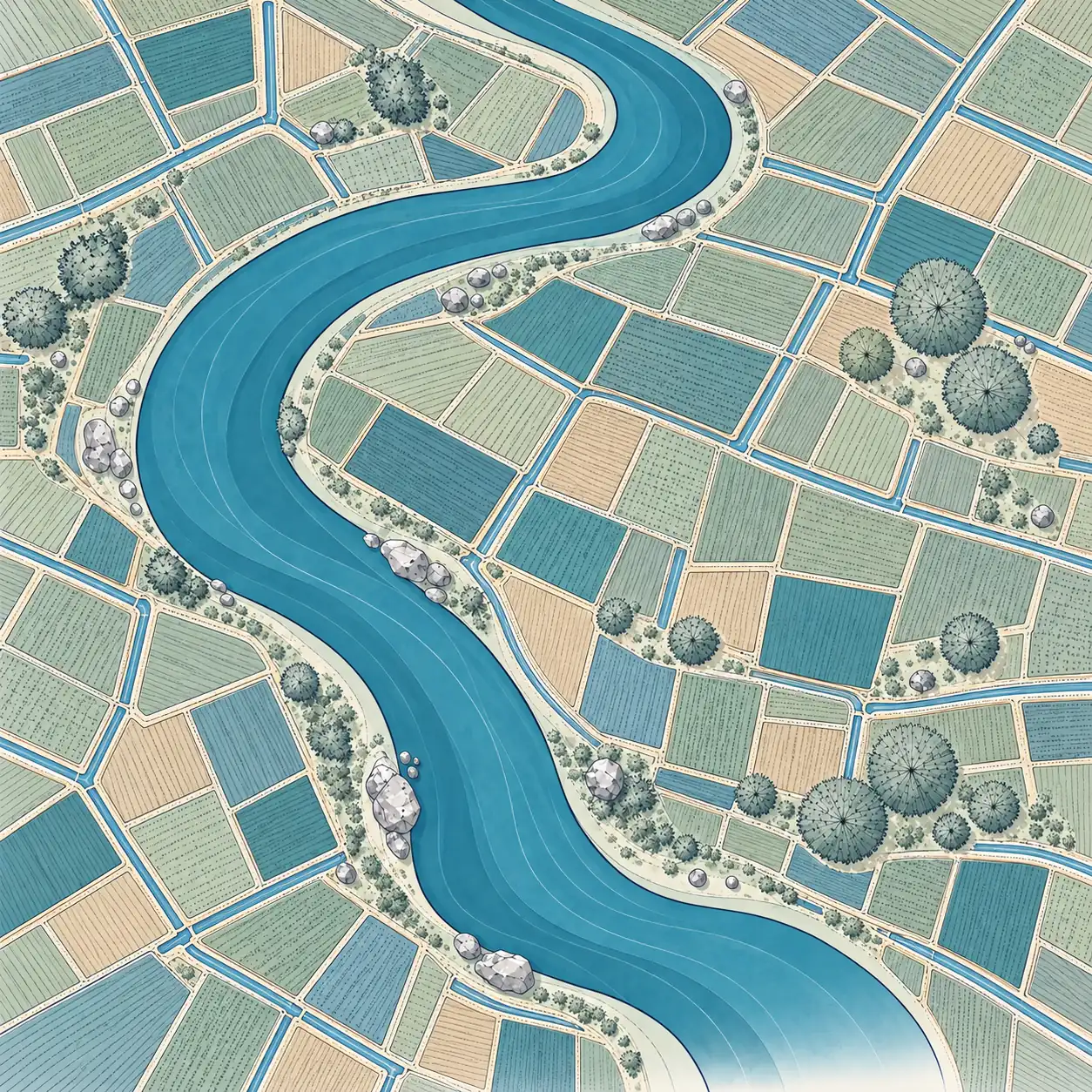
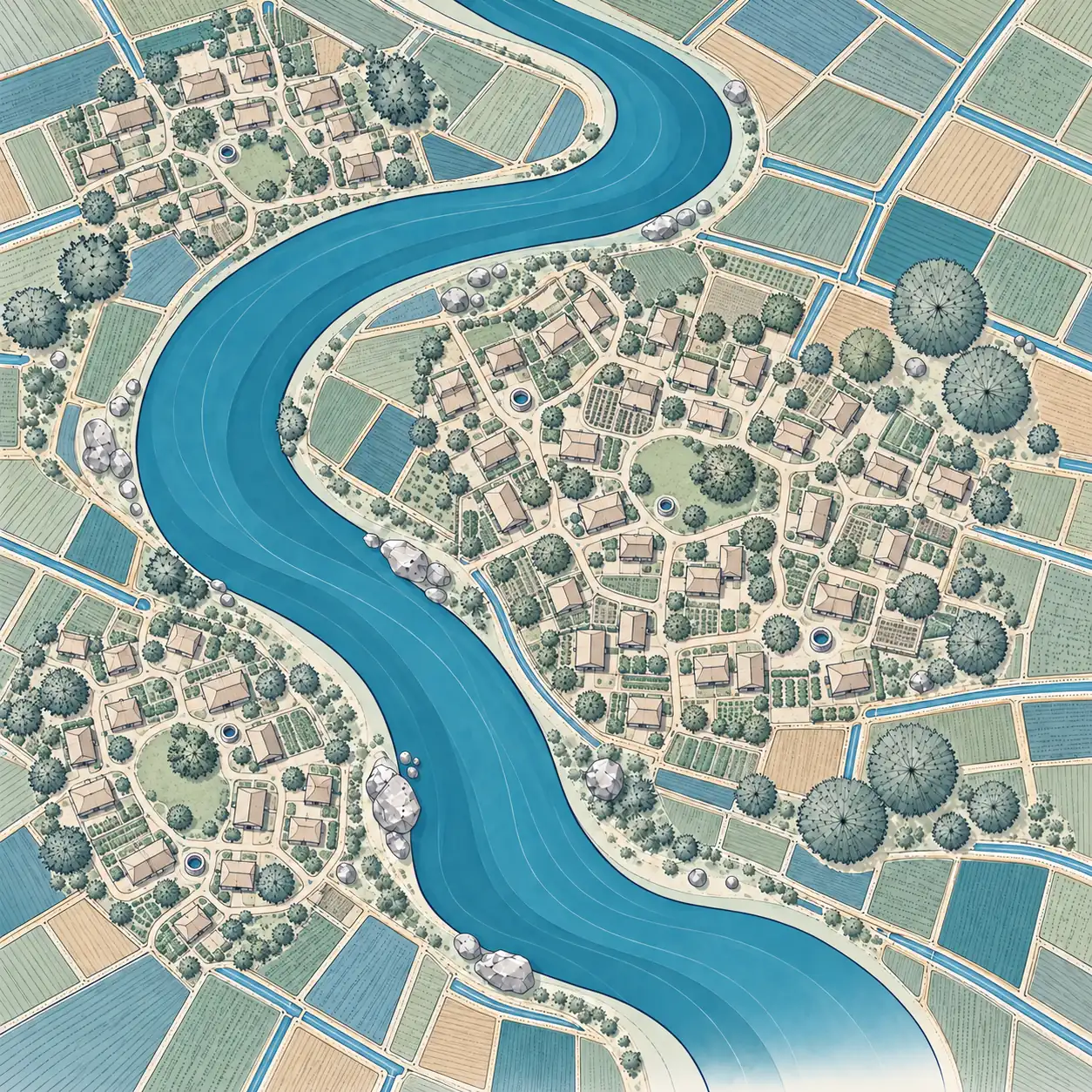
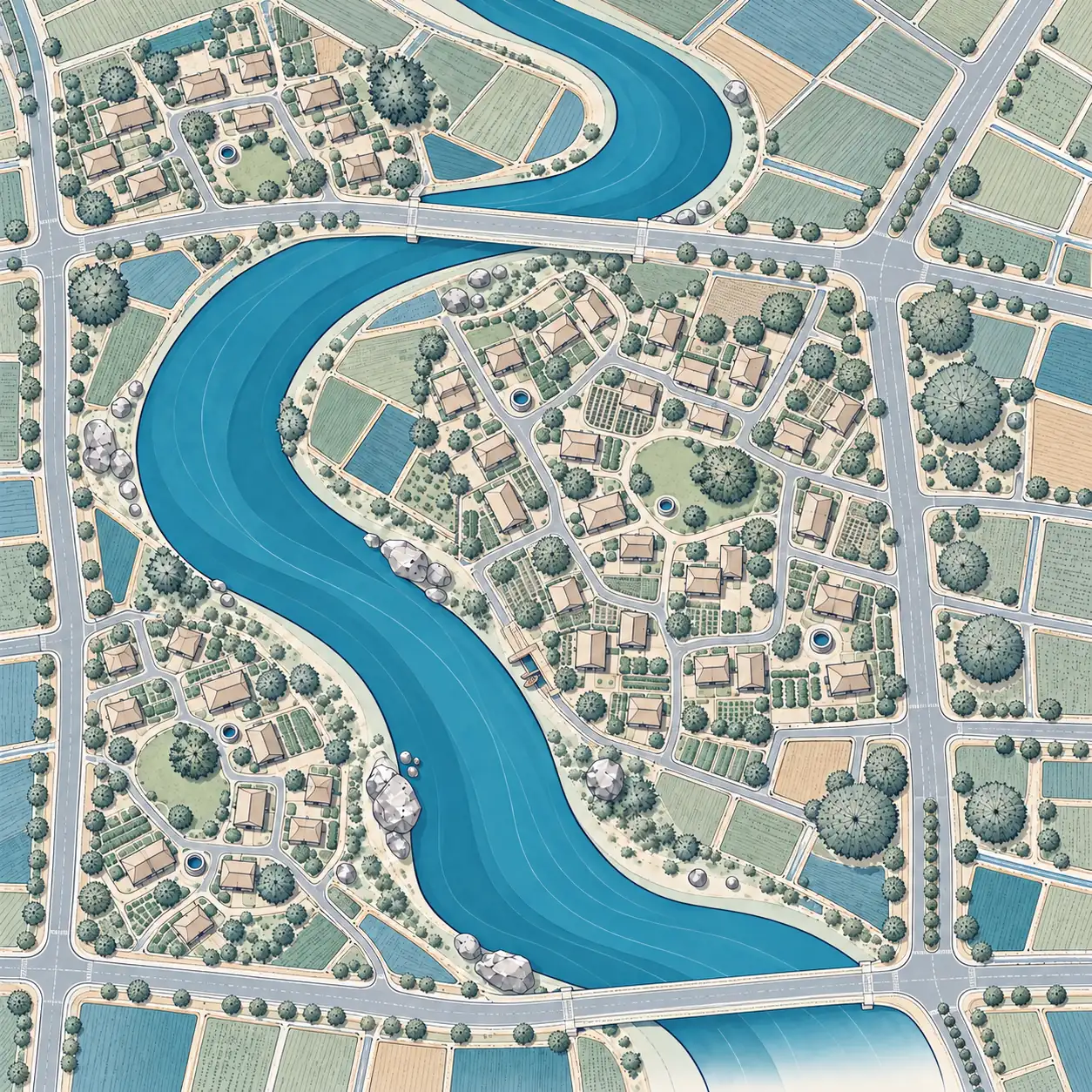
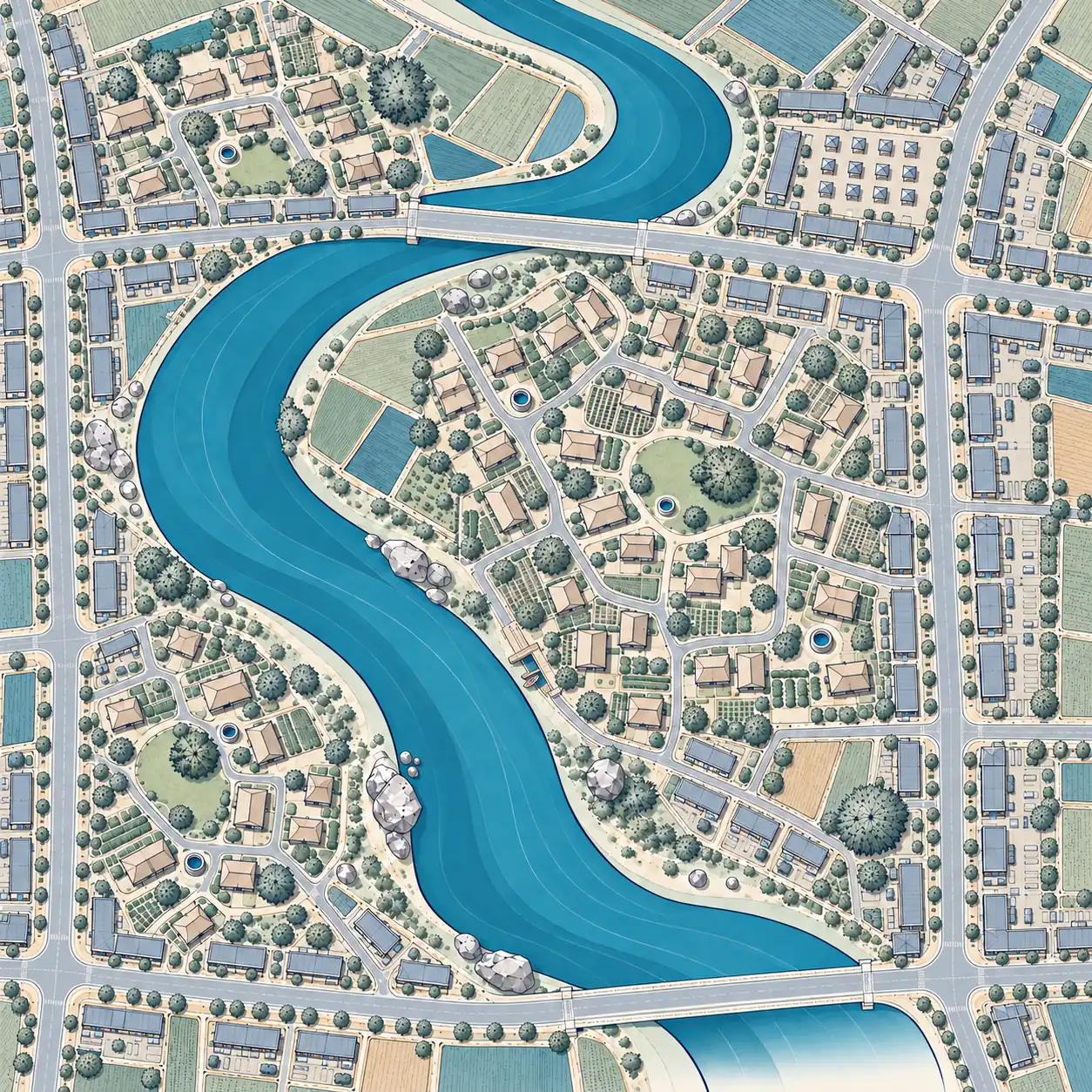
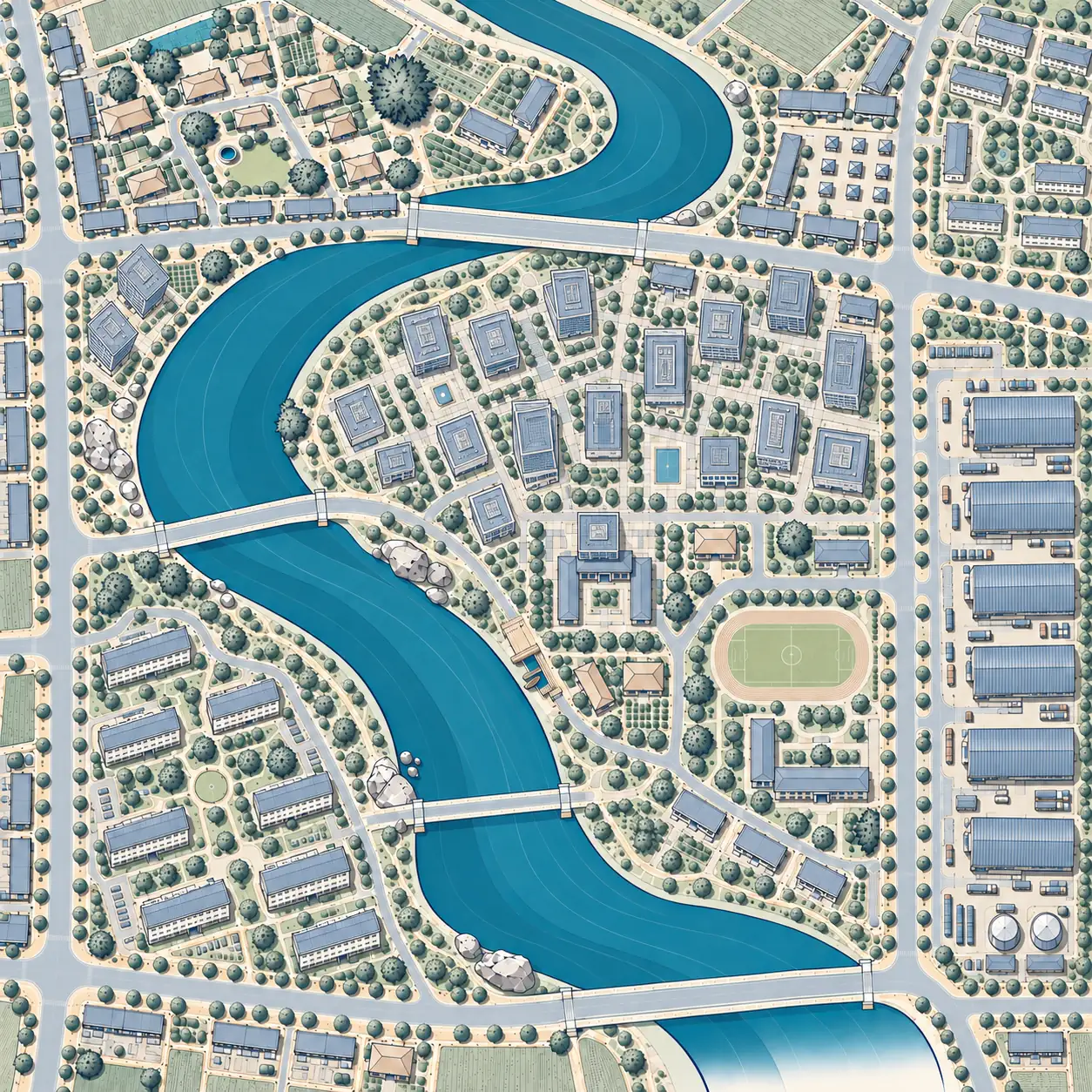
Fields take shape along a river, with homes beside them. Roads link the homes, shops line the roads, and the village grows into a city.
Where you grew up
offers clues.
Pungsu (Korean feng shui) offers clues about the people you lived among, the work done around you, and the traits that may have grown strongest in that setting.
For someone whose chart lacks Water, the north and places near water are considered supportive. We also look at whether your current space and its orientation support the elements your Saju needs.
If these questions
are on your mind
- Understanding yourself better
- This year's outlook and what lies ahead
- Career choices, a job change or exams
- Timing for love and marriage
- Relationships and compatibility
- Money and business direction
- Concerns about physical and mental health
- Your child's nature and future path
- Moving or redesigning your space
- A child's name, a name change or a shop name
- Choosing a business opening or moving date
We discuss health only as a way to reflect on patterns in daily life. This does not replace medical care.
Who am I?
How can I move forward?
We created this approach for people who want to understand themselves and work through a problem but cannot see a clear way forward. It brings face reading, name analysis and feng shui together around Saju.
We bring together everything you share about your Saju, face, name and surroundings, then give you a combined assessment.
Consult by emailConsultations are by email. We will let you know by email which language we will reply in.
You can send your birth date and time (solar or lunar calendar), a photo of your face, your name in Hanja (Chinese characters), and where you live or grew up. Share only what you have.